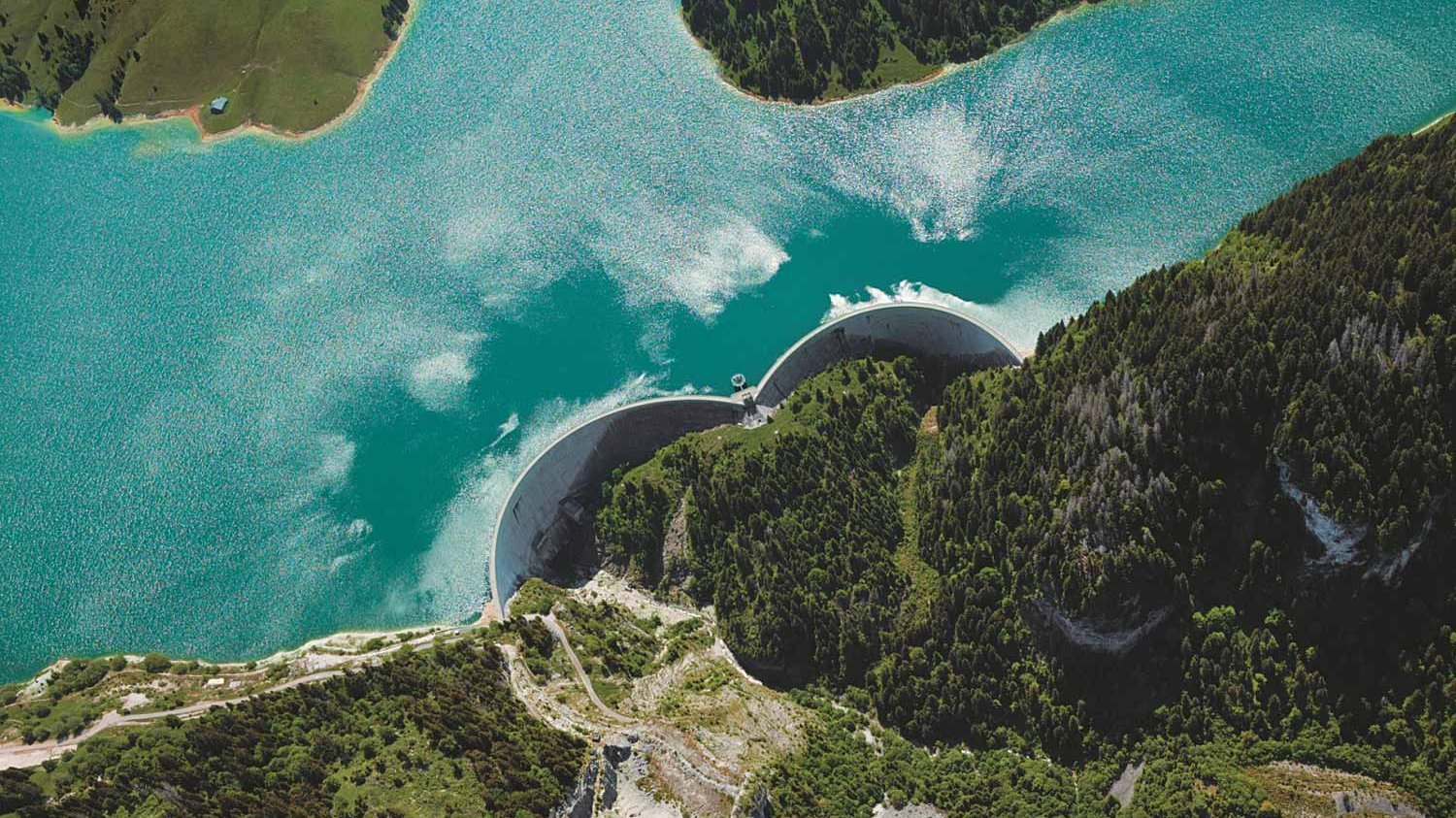
As water becomes scarcer, how can we balance electricity generation, water supply, irrigation, flood protection and the preservation of ecosystems?
There is no single answer. These needs may be complementary, but they may also compete with one another, particularly when water becomes scarce. It is therefore essential to have a sound understanding of available water volumes and demand, to involve the various stakeholders concerned, and to establish transparent rules for coordination and prioritisation. At present, these trade-offs still rely heavily on pragmatic agreements reached at local level. In future, better coordination between water and energy policies, as well as more integrated governance at the levels of water development projects, the cantons and the Confederation, will be necessary.
What are Alpiq’s commitments in this area, and how can they help to drive forward the management of hydroelectric schemes?
Alpiq is co-funding an independent research project with the University of Lausanne on the multifunctionality of Alpine hydroelectric infrastructure. This collaboration provides a better understanding of existing uses, their interactions and the rules governing their management. The findings thus provide a scientific basis for developing the governance of these facilities, particularly during the planning and renewal of concessions. Alpiq intends to continue this approach with its partners and the relevant local authorities, by deepening knowledge of resources and needs, developing forward-looking scenarios and exploring tools that facilitate transparent decision-making and an integrated, adaptive approach to water management.