“By planning early, we can act with foresight”
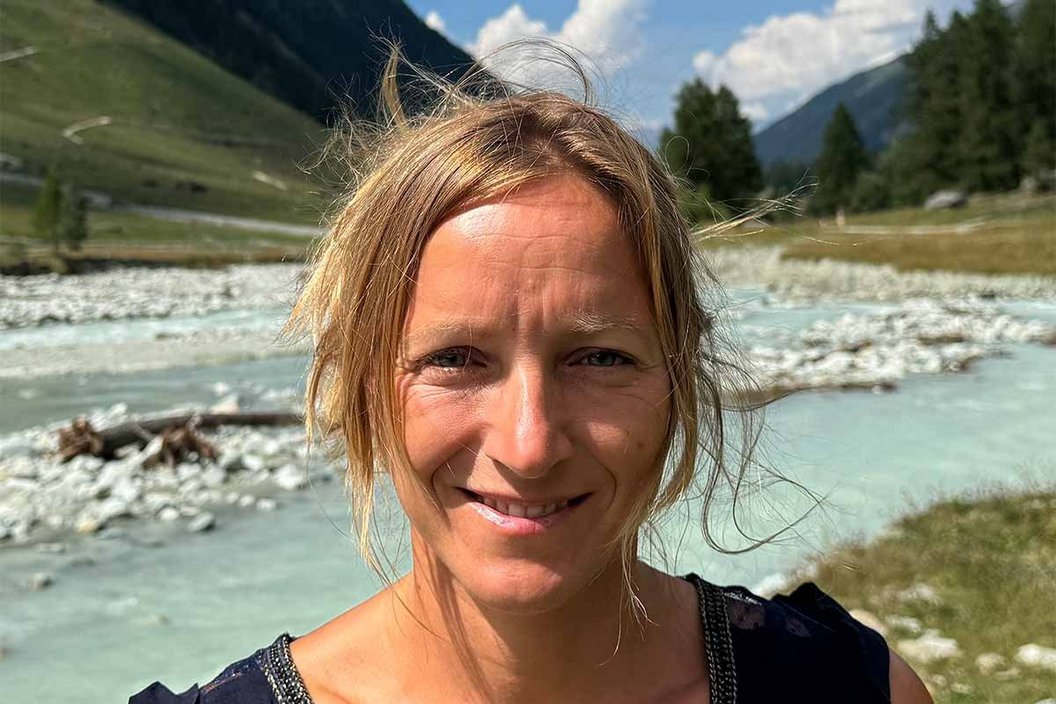
The melting of glaciers is no longer an abstract future scenario. It is already changing the amount of water flowing through the Alps. Marjorie Perroud, Environmental Project Manager at Alpiq, explains why this does not only affect energy producers, what local authorities and businesses can do right now, and why hydropower plants play a key role in this.
Climate change is altering water availability in the Alps. Who is affected, apart from energy producers?
In fact, all water users in the Alpine region. Local authorities that source their drinking water from Alpine springs. Farms that rely on irrigation. Tourism companies that create artificial snow or use mountain streams to promote nature-based experiences. And regions that need to better protect themselves against flooding and mudslides, as heavy rainfall is becoming more frequent.
How urgent is it to act? We’re talking about changes that will unfold over decades...
The water flows we currently experience could change profoundly by 2050 – in terms of quantity, timing , and intensity. Those who depend on water would be well advised to start looking into the evolution of their catchment area today. Because planning early allows for proactive action, rather than having to react later.
What can local authorities and businesses actually do? Do they really have any room for manoeuvre?
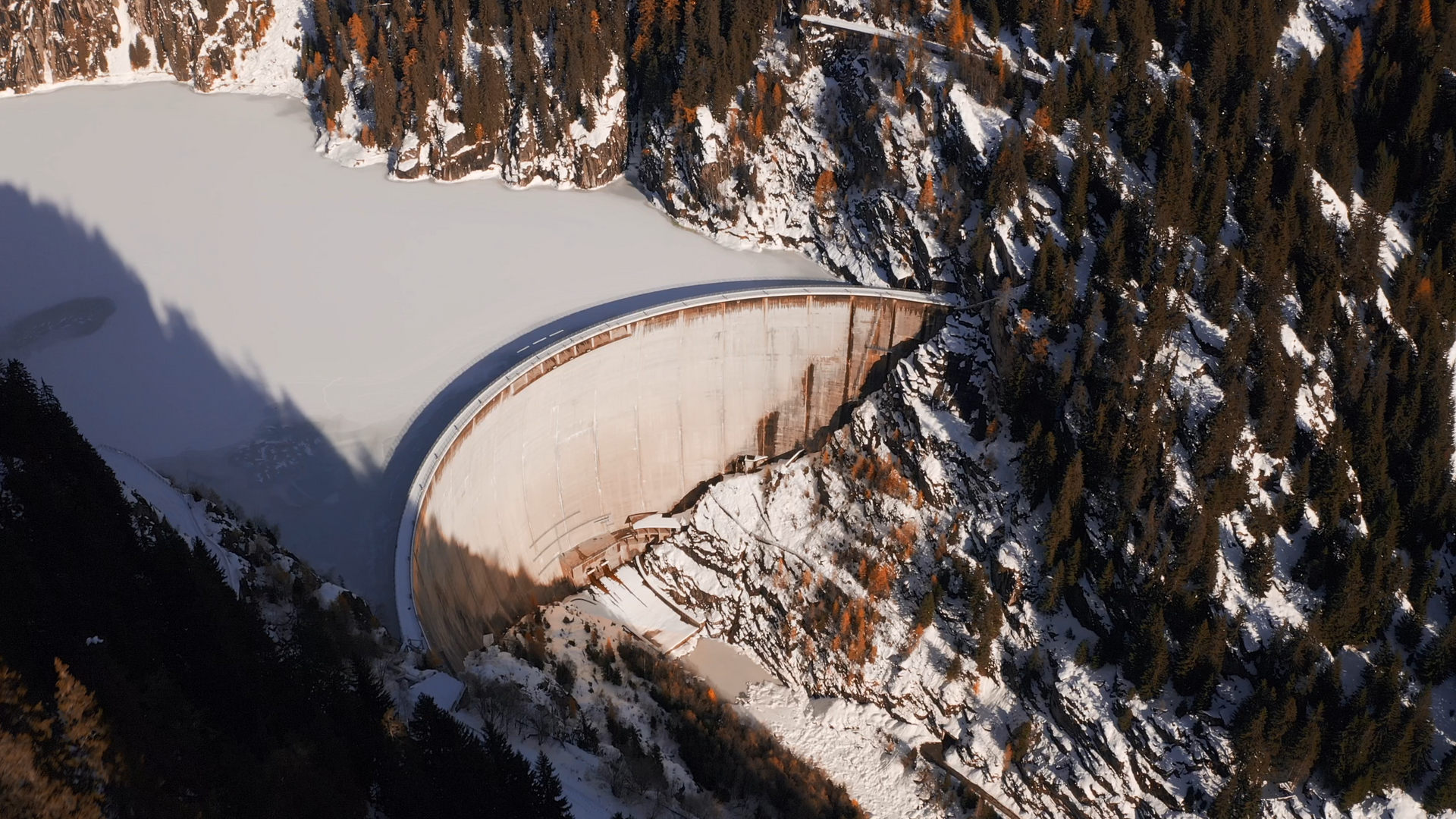
Yes, and this is precisely where the opportunity for multifunctionality lies: hydropower facilities do not merely generate electricity. They are infrastructures capable of storing, regulating, distributing and protecting water – and doing so for multiple purposes simultaneously. Reservoirs that currently store water to generate electricity could also, in the future, ensure a supply of drinking water, mitigate flooding or enable irrigation.
What is the prerequisite for this multi-purpose use to work?
It only works if the various needs are coordinated at a very early stage between energy producers, the federal government, cantons, municipalities and other users. A shared vision of water resources is required. The water supply forecasts enable us to gain an overall picture and set priorities.
Does the disappearance of glaciers worry you personally, or are you fairly confident?
Both. The disappearance of the glaciers seems, unfortunately, inevitable at this stage. But how Switzerland deals with this – whether proactively or reactively – depends on us. And in that regard, I remain confident when I see the expertise and commitment demonstrated by this sector.